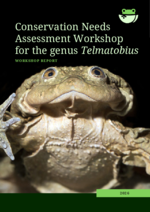
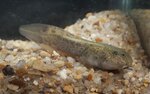
With 60 species described and assessed, the genus Telmatobius, or Andean water frogs, is one of the most threatened groups across the Neotropics. One of the tools available for species conservation…
AArk ha otorgado becas desde 2009, principalmente para apoyar programas nuevos de conservación ex situ de anfibios para especies que han sido evaluadas como en necesidad urgente de rescate o…
Nuestro trabajo por el mundo Nuestro trabajo hasta ahora Un año típico del Arca de los Anfibios Colaboración con expertos locales para evaluar las necesidades de conservación de más de…
More than half the world's threatened amphibians live in Latin America—and that's where most of AArk's work has been directed for years. Our Brazil National Program is now in its fourth year, and in…
More than half the world's threatened amphibians live in Latin America—and that's where most of AArk's work has been directed for years. Our Brazil National Program is now in its fourth year, and in…
More than half the world's threatened amphibians live in Latin America—and that's where most of AArk's work has been directed for years. Our Brazil National Program is now in its fourth year, and in…
More than half the world's threatened amphibians live in Latin America—and that's where most of AArk's work has been directed for years. Our Brazil National Program is now in its fourth year, and in…
Suscríbete al boletín de Amphibian Ark Amphibian Ark publica un boletín trimestral desde 2007 para compartir historias sobre la conservación ex situ de los anfibios en todo el mundo e informarte…
Director de programas | África y Asia Meridional Devin es el director de programas de AArk para África y Asia Meridional, y aporta más de una década de experiencia en la conservación e…